T-Shirt Printing Methods: Technique Selection, Design, Equipment and Placement
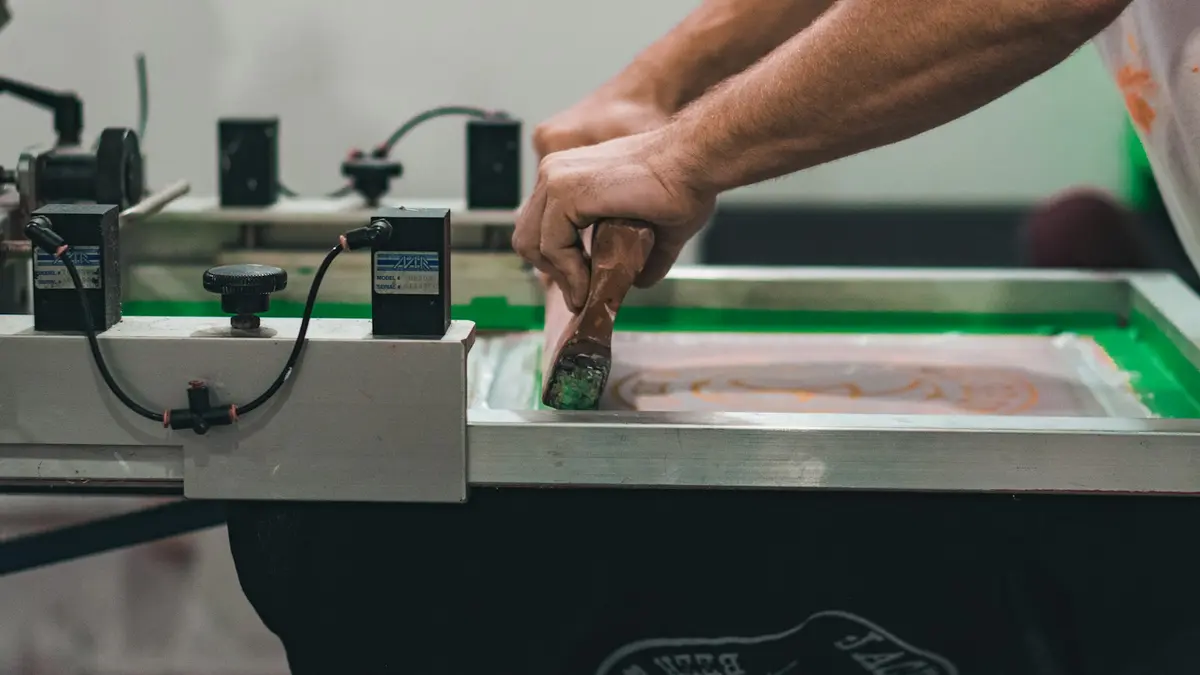
Table of Contents
T-Shirt Printing: Methods and Selection Considerations
T-shirt decoration includes ink-based printing, heat-applied graphics and stitched embellishment. The appropriate method depends on the artwork, garment fibre content and colour, order quantity, required hand feel, durability expectations, available equipment and intended print position. A process that performs well for a one-off photographic cotton shirt may not be efficient for thousands of identical spot-colour garments.
Selection should therefore begin with the complete project brief rather than with a preferred machine. Confirm the garment specification, design files, required colour appearance, expected laundering conditions, production schedule and approval requirements before choosing a process.
Introduction to T-Shirt Decoration
Printed and decorated t-shirts are used for retail apparel, corporate branding, promotions, events, sports teams, uniforms and personal expression. Decoration can be a dominant front graphic, a small chest logo, a back identifier or a subtle stitched mark.
Technologies differ in how colour reaches the textile. Some deposit ink through screens, some jet ink directly onto the garment, some apply a prepared transfer using heat and pressure, and embroidery forms the image with thread. These differences affect workflow, substrate compatibility, visual effect, production speed and unit economics.
T-Shirt Printing and Decoration Techniques
The principal options include screen printing, direct-to-garment (DTG) printing, heat-transfer printing, sublimation, heat-transfer vinyl and embroidery. Printing processes create an image with ink, dye or a transferred graphic; embroidery is sewn decoration and should be assessed separately because it changes the garment structure and drape.
Screen Printing
Screen printing deposits ink through a stencil carried on a mesh screen. Each spot colour normally needs its own prepared screen, and screens must be accurately registered when colours overlap. The method is widely used for repeat production of bold graphics, logos and simple multicolour artwork.
Screen Printing Advantages
Screen printing can produce opaque colour, durable ink films and consistent repeat results when inks, mesh, curing and registration are controlled. Once prepared, a multi-station workflow can be efficient for larger repeat orders. Specialty effects, including metallic, puff, high-density or discharge-style effects, may be possible with compatible inks and process controls.
Screen Printing Limitations
Screen making, artwork separation and setup add preparation time and cost, making short runs less attractive in many workflows. Detailed multicolour images demand careful separations, screen selection and registration. Results also depend on ink choice, garment colour, fibre type and complete curing.
Direct-to-Garment Printing
DTG is a digital inkjet process that prints ink directly onto the garment. It is commonly used for detailed artwork on suitable textiles, particularly cotton-rich garments. Dark garments often require pretreatment and a white-ink underbase before colour printing; curing is necessary to secure wash performance.
Direct-to-Garment Advantages
Digital artwork can be printed without making screens, which supports short runs, on-demand production and variable designs. DTG is well suited to photographic images, gradients and complex full-colour artwork where fine detail is important. File preparation can be faster than conventional colour separation for many designs.
Direct-to-Garment Limitations
Output may be slower than established high-volume screen-printing lines. Results depend on compatible garments, pretreatment consistency, white-ink circulation and maintenance, artwork preparation and curing control. Fabric texture and garment colour can affect detail, opacity and perceived colour.
Heat-Transfer Printing
Heat-transfer printing applies a prepared graphic to a garment using controlled temperature, pressure and dwell time. The transfer may be printed onto paper or film, produced by a commercial transfer system, or cut from coloured heat-applied film. Peel method and post-pressing requirements vary by material.
Heat-Transfer Advantages
Heat presses provide accessible short-run production and allow multicolour graphics without screen preparation. Transfers are useful for personalized names, numbers, event garments and small batches because each item can carry different artwork. They can also support decoration in locations that are difficult to screen print.
Heat-Transfer Limitations
Hand feel, visible carrier edges, stretch behaviour and wash durability differ substantially among transfer products. Incorrect time, temperature or pressure can cause incomplete bonding, scorching, dye migration or reduced durability. Always follow the transfer supplier’s conditions for the specific garment substrate.
Sublimation Transfer Printing
Dye-sublimation transfer printing first prints an image onto transfer media and then uses heat to transfer dye into a compatible substrate. It is generally associated with polyester-rich, light-coloured materials, where the dye becomes part of the fibre rather than forming a raised surface layer.
Sublimation Printing Advantages
Sublimation can reproduce vivid full-colour images, gradients and photographic artwork with very low surface feel on suitable polyester fabrics. Because dye is integrated into the compatible material, the print does not create a conventional ink film that can crack from flexing.
Sublimation Printing Limitations
The process is not a universal cotton-garment method and is most suitable for polyester-rich, light-coloured substrates. It is impractical for producing bright imagery directly on dark fabric because sublimation dyes are transparent. Compatible inks, transfer paper, heat-press settings and colour management are required.
Vinyl Cutting
Vinyl cutting uses a plotter to cut coloured heat-transfer vinyl into lettering, numbers or vector shapes. Excess material is weeded away, and the remaining design is positioned and heat applied to the garment. It is frequently used for names, player numbers, simple logos and single-colour artwork.
Vinyl Cutting Advantages
The method produces crisp edges and durable, high-contrast graphics when the material and application settings are appropriate. Cutter-based workflows can be practical for small batches, individual personalization and simple vector designs because no screen preparation is needed.
Vinyl Cutting Limitations
Intricate artwork can require considerable cutting and weeding time. Larger vinyl graphics may feel bulky and reduce local breathability. The process is generally less appropriate for photographic images, subtle tonal transitions or highly detailed illustration.
Embroidery for T-Shirts
Embroidery is stitched decoration, not an ink-printing method. Artwork must be digitized into stitch instructions, and quality depends on thread, stitch type, density, stabilizer, hooping and garment construction. Lightweight knitted t-shirts need particular care because stitches can pull or distort the fabric.
Embroidery Advantages
Embroidery creates a dimensional, premium appearance with durable stitched construction. It is widely used for small logos, uniforms, workwear and branded apparel where a tactile mark is desired. Thread colours can provide stable visual identity across repeated orders.
Embroidery Limitations
Cost is often driven by stitch count and machine time. Fine tonal images, tiny lettering and photographic detail do not translate well into stitches. Dense embroidery can stiffen lightweight fabric, so design size, backing and stabilizer selection should be tested on the actual garment.
How to Select a T-Shirt Decoration Method
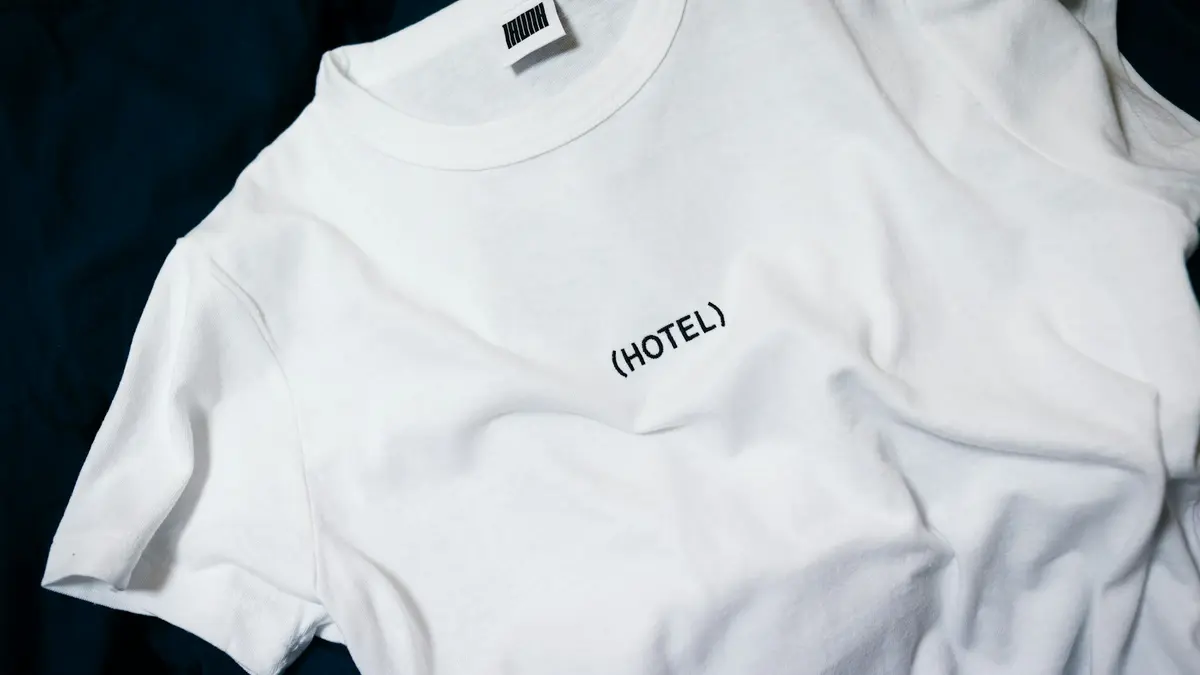
Method selection is a project-level decision. Compare intended use, fabric, artwork complexity, volume, budget, visual expectations and durability requirements before committing to production. A physical sample is especially valuable when fabric texture, colour or wash performance is uncertain.
Match the Method to the Garment’s Purpose
Retail garments may prioritize appearance and hand feel, while event shirts may prioritize rapid personalization. Sportswear and workwear may require stretch, visibility, repeated laundering or compatibility with performance fabrics. Consider how often the garment will be worn, washed and viewed.
Balance Quality, Quantity and Cost
Evaluate setup cost, unit cost, labour, throughput and finish quality together. Screen preparation can be justified by repeat volume, while digital or transfer workflows can reduce setup for short runs. There is no universal lowest-cost method because artwork, order size, garment and local workflow change the calculation.
Choose a Process That Fits the Project
Match simple spot-colour graphics to screen printing or vinyl where appropriate; match detailed variable artwork to DTG or suitable transfer systems; and reserve sublimation for compatible light polyester-rich garments. Confirm that the selected process can meet required colour, placement and durability expectations.
Prepare the Artwork
Use sufficient raster resolution at final print size, or use vector artwork for clean scalable shapes and lettering. Prepare colour separations for screen printing, transparent-background files where required for digital workflows and correctly sized files for the intended print position. Check fine lines, small type and halftones with a proof or sample.
T-Shirt Design Types and Fabric Choices
Design category, colour palette and garment construction influence process selection. A design may combine several categories, such as a branded photographic image with typography. Fabric fibre content, knit texture and garment colour should be reviewed before final artwork approval.
Five Broad Categories of T-Shirt Design
Five useful categories are typography, photography, graphic or illustrated artwork, branded designs and halftone imagery. They are planning categories rather than fixed rules, and a single design can include more than one.
Typography-Led Designs
Typography-led designs use words, slogans, lettering or typographic composition as the main visual element. Preserve legibility with adequate letter spacing, suitable line weight, sufficient print size and strong contrast between ink and garment.
Photography-Based Designs
Photography-based designs rely on image resolution, tonal range and colour reproduction. DTG, sublimation on compatible substrates and selected transfer systems can reproduce photographic detail, but the image should be prepared for the selected process and garment colour.
Graphic and Illustrated Designs
Graphic designs use illustrations, icons, shapes or stylized compositions. Vector artwork is helpful for clean edges and scalable line work. Consider colour count, minimum line weight and whether small details will hold on the chosen fabric and process.
Branded T-Shirt Designs
Branded designs incorporate logos, campaign graphics or visual identity elements. Use approved source artwork, specify brand colours and define placement consistently across garment sizes. A small chest logo and a large back graphic may require different process choices.
Halftone Designs
Halftones use dots of varying size or spacing to simulate tones and gradients. Dot size, screen frequency, garment texture, ink behaviour and print resolution influence whether tonal detail remains clear. Test halftones on the intended fabric rather than judging only from a screen proof.
Select Colours and Garment Fabric
Garment colour affects contrast, white-ink requirements and perceived colour. Fibre composition determines compatibility: cotton-rich garments are common DTG candidates, polyester-rich light garments suit sublimation, and blends may need process-specific testing. Knit texture, stretch and surface finish can alter edge sharpness, opacity and adhesion.
Equipment for T-Shirt Printing Operations
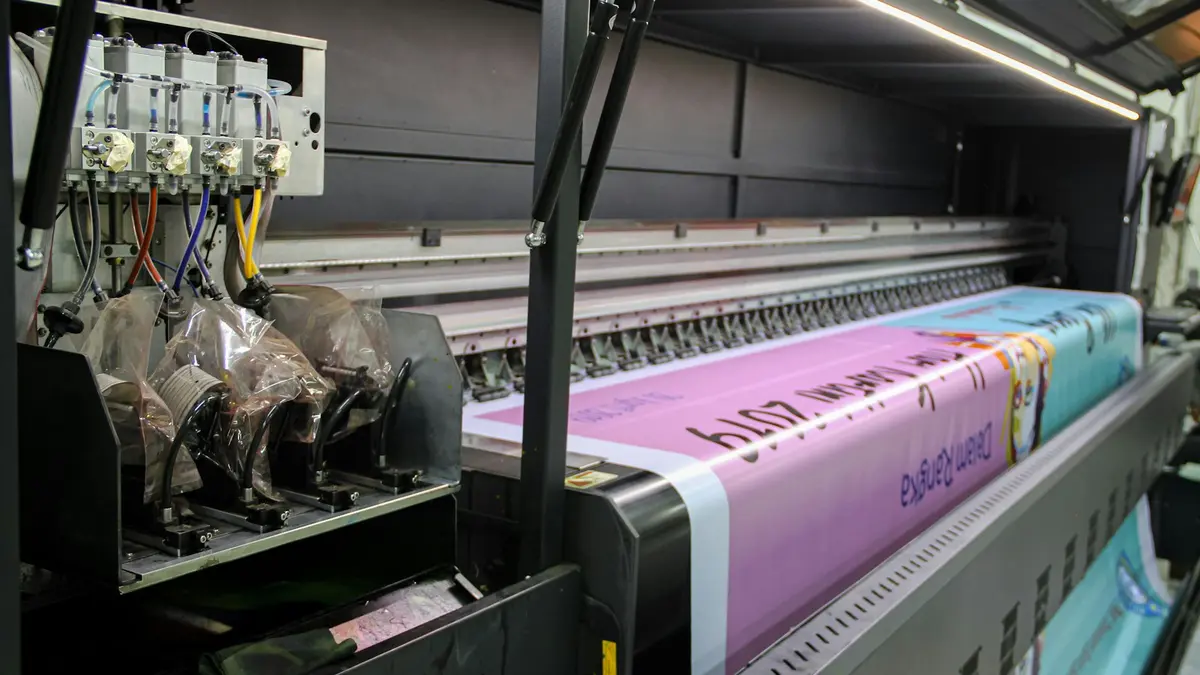
Equipment should be chosen as a technology category and workflow investment, not as a universally best machine. Assess production volume, available floor space, training, maintenance, service support, consumables, dryer or heat-press capacity, colour workflow and local safety requirements. Verify current specifications directly with the manufacturer before purchase.
Printing Equipment Categories and Examples
A production setup may include artwork software, printers or screens, pretreatment equipment, heat presses or dryers, cutters, curing equipment and quality-control tools. Equipment should be assessed against the intended substrate range, required output, maintenance demands and compatibility with consumables.
Brother GTX Pro Direct-to-Garment Printer
The Brother GTX Pro is an example of DTG equipment. Its current availability, supported garments, operating requirements, print specifications and production capabilities should be confirmed through current Brother DTG documentation and local authorized support resources. Evaluate the complete workflow, including pretreatment, curing and maintenance, rather than the printer alone.
Epson Sublimation Printer Options
Epson sublimation equipment is a category rather than one identified model in this guide. Before purchase, verify the model’s sublimation compatibility, supported media width, ink system, resolution, workflow and service arrangements from current manufacturer documentation. Print size and media compatibility are practical selection factors for sublimation production.
Flatbed Screen-Printing Machines
Flatbed screen-printing machinery supports screen-based garment decoration and may range from manual setups to automated lines. Assess the number of stations, registration system, platen sizes, flash and dryer integration, operator workflow and intended production volume. The curing stage must match ink requirements and production capacity.
Common T-Shirt Print Positions
Print placement is both a design and production decision. Garment size, collar shape, seams, yokes, artwork dimensions and platen or press access affect what can be decorated consistently. Use a placement guide and approve a sample garment before a full run.
Large Centered Front Print
A large centered front print places the primary artwork on the torso. Scale the design for garment size and leave suitable clearance below the collar and away from side seams. Check that the graphic remains balanced across the size range.
Across-the-Chest Print
An across-the-chest print is a horizontal graphic spanning the upper chest. Alignment must account for garment contours and size grading. Avoid placing critical elements where seams, folds or excessive stretch may distort them.
Across-the-Back Print
An across-the-back print places a horizontal design on the upper or central back. Consider shoulder seams, yoke construction and viewing distance, particularly for text. Confirm that the design remains readable when the garment is worn.
Full-Back Print
A full-back print covers much of the rear garment panel. It requires suitable platen or press access, carefully scaled artwork and clearance from shoulder seams, side seams and the hem. Large graphics may need additional attention to hand feel and breathability.
Yoke Placement
Yoke placement is near the upper back or shoulder area. The printable area is limited and seams can interfere with pressure, registration or ink deposition. Templates and test garments are useful for confirming consistent placement.
Conclusion
T-shirt decoration should be selected by balancing artwork, fabric, quantity, required appearance, durability, equipment and placement. Screen printing, DTG, transfer methods, sublimation, vinyl and embroidery each serve different production needs. Test the actual garment, artwork and intended process before approving a full production run.
References
- https://textilelearner.net/the-ultimate-guide-to-t-shirt-printing-techniques-and-tips. https://textilelearner.net/the-ultimate-guide-to-t-shirt-printing-techniques-and-tips
- Buy epson head textile printer machine, Good quality epson head textile printer machine manufacturer. https://www.flagprintingmachine.com/buy-epson-head-textile-printer-machine.html
- Buy large industrial printheads for textile printer, Good quality large industrial printheads for textile printer manufacturer. https://www.flagprintingmachine.com/buy-large-industrial-printheads-for-textile-printer.html
- Best Epson Printer for Sublimation in 20. https://trueimagetech.com/blogs/all/best-epson-printer-for-sublimation-in-2024
- Buy 3 head fabric printing machine, Good quality 3 head fabric printing machine manufacturer. https://www.flagprintingmachine.com/buy-3-head-fabric-printing-machine.html
- High Resolution Mimaki Sublimation Printing Machine Price & Specifications | Vee Kay Enterprises – Delhi. https://aajjo.com/product/high-resolution-mimaki-sublimation-printing-machine-in-delhi-vee-kay-enterprises
- United States | Brother support website. https://support.brother.com/g/b/productsearch.aspx?c=us&lang=en
- Downloads | Brother support website. https://support.brother.com/g/b/productsearch.aspx?c=us&lang=en&content=dl